

Introduction
Starting a new website is exciting, but very quickly, one thing starts bothering you, no traffic.
You publish content, wait for results, keep checking again and again. but nothing really happens. It almost feels like your website doesn’t even exist on Google.
If you’re going through this, you’re not alone. Almost every beginner faces this stage. I’ve been there too, and I know how confusing it can feel in the beginning.
The truth is, ranking a new website takes time. There’s no instant result. But if you follow the right approach, you can definitely move faster than most beginners.
You don’t need complicated strategies or expensive tools. What matters more is doing the basics properly and staying consistent.
Along with following the right SEO strategies, using proper tools can make the process much easier and faster. These tools help you identify opportunities, track performance, and optimize your website effectively without relying on guesswork. If you’re just getting started, you can explore these free SEO tools for beginners without login to simplify your SEO efforts without any cost.
Optimize Your Website for SEO
When you’re trying to rank a new website fast, on-page SEO plays a critical role in sending the right signals to Google. From optimizing title tags to improving content structure and internal linking, every small factor contributes to better visibility. If you’re unsure where to start, you can follow this detailed on page SEO checklist to make sure your pages are fully optimized for search engines and users.
Why New Websites Don’t Rank Quickly
Before we try to fix anything, it’s important to understand what’s happening.
When your website is new, Google doesn’t have enough data about it. It doesn’t know if your content is reliable or useful.
There are a few reasons:
- Google doesn’t trust your site yet
- Your website has no authority
- No backlinks pointing to your pages
- Very little content
Because of this, even good content takes time to rank.
Think of it like Google testing your website slowly before showing it to more people.
Start With the Right Keywords
One of the biggest mistakes beginners make is choosing very competitive keywords.
For example, trying to rank for “SEO tools” with a new website is very difficult.
Instead, focus on:
- Long-tail keywords
- Low competition topics
- Specific search queries
Example:
Instead of “SEO tools”
Try “free seo tools for beginners without login”
These keywords are easier to rank for and help you get initial traffic.
Create Content That Actually Helps
Content is the foundation of your website. But not just any content — helpful content.
You don’t need complicated explanations. Just focus on clarity.
While writing, ask yourself:
- Does this solve a problem
- Is it easy to understand
- Would someone actually benefit from this
If the answer is yes, you’re on the right track.
Google prefers content that is simple, clear, and useful.
Write Consistently
Publishing one or two articles is not enough.
Google needs more content to understand your website.
Try to:
- Post regularly
- Cover related topics
- Build a strong content base
Even 10–15 quality articles can create a strong foundation.
Use Internal Linking Smartly
Internal linking helps both users and search engines.
For example, if someone is learning SEO basics, they might also want to understand how Google suggests related queries. You can guide them to your detailed article on people also search for available on gotechmantra.com.
This keeps users engaged and improves your website structure.
Focus on Simple On-Page SEO
You don’t need advanced SEO in the beginning.
Just make sure:
- Your title includes the keyword
- Content is structured with headings
- URL is clean and simple
- Meta description is clear
These basics are enough to get started.
Improve Website Speed
Website speed matters more than most beginners think.
If your site loads slowly, users leave quickly.
You don’t need technical knowledge, just:
- Use optimized images
- Avoid heavy designs
- Use good hosting
A fast website always performs better.
Submit Your Site to Google
How to search effectively on google: Many beginners forget this step.
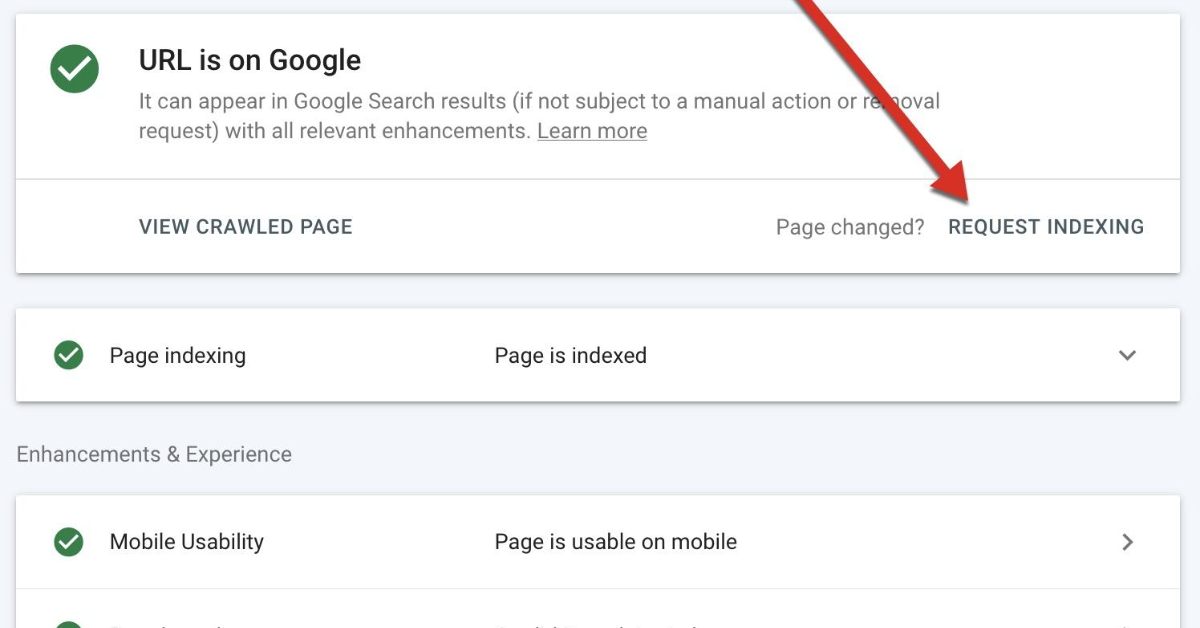
After publishing, go to Google Search Console and request indexing.
This helps Google discover your pages faster.
Don’t Ignore User Experience
Think from the reader’s side.
If your content is hard to read or your site looks messy, users will leave.
Make your site:
- Easy to read
- Clean
- Mobile-friendly
Better user experience helps improve rankings.
Build Basic Backlinks
Backlinks help build trust, but you don’t need many in the beginning.
You can:
- Share your articles
- Create profile links
- Submit to directories
Even a few backlinks can help your website grow.
Be Patient (Most Important)
This is the hardest part.
Ranking doesn’t happen instantly.
Even if you do everything correctly, it takes time.
But if you stay consistent, results will come.
Common Mistakes to Avoid
Some common mistakes beginners make:
- Targeting high competition keywords
- Publishing low-quality content
- Expecting fast results
- Ignoring basic SEO
Avoid these, and your progress will be smoother.
A Simple Strategy That Works
If you feel confused, keep it simple:
- Choose a low competition keyword
- Write helpful content
- Add internal links
- Publish consistently
That’s enough to start seeing results.
FAQs
How long does it take to rank a new website
Usually a few weeks to months depending on consistency and competition.
Can I rank without backlinks
Yes, especially for low competition keywords.
How many articles should I write
At least 10–20 quality articles to start seeing results.
Conclusion
Ranking a new website on Google is not about shortcuts. It’s about doing simple things correctly and staying consistent.
Focus on:
- Simple SEO
- Helpful content
- Consistency
If you follow this approach, your website will slowly start gaining visibility.


Pingback: Best AI SEO Tools for Beginners in 2026: Top Tools
Pingback: How to Add Google Analytics to WordPress: Step-by-Step Guide